


.webp)
.webp)

The Heart of Gir: A Conservation Miracle
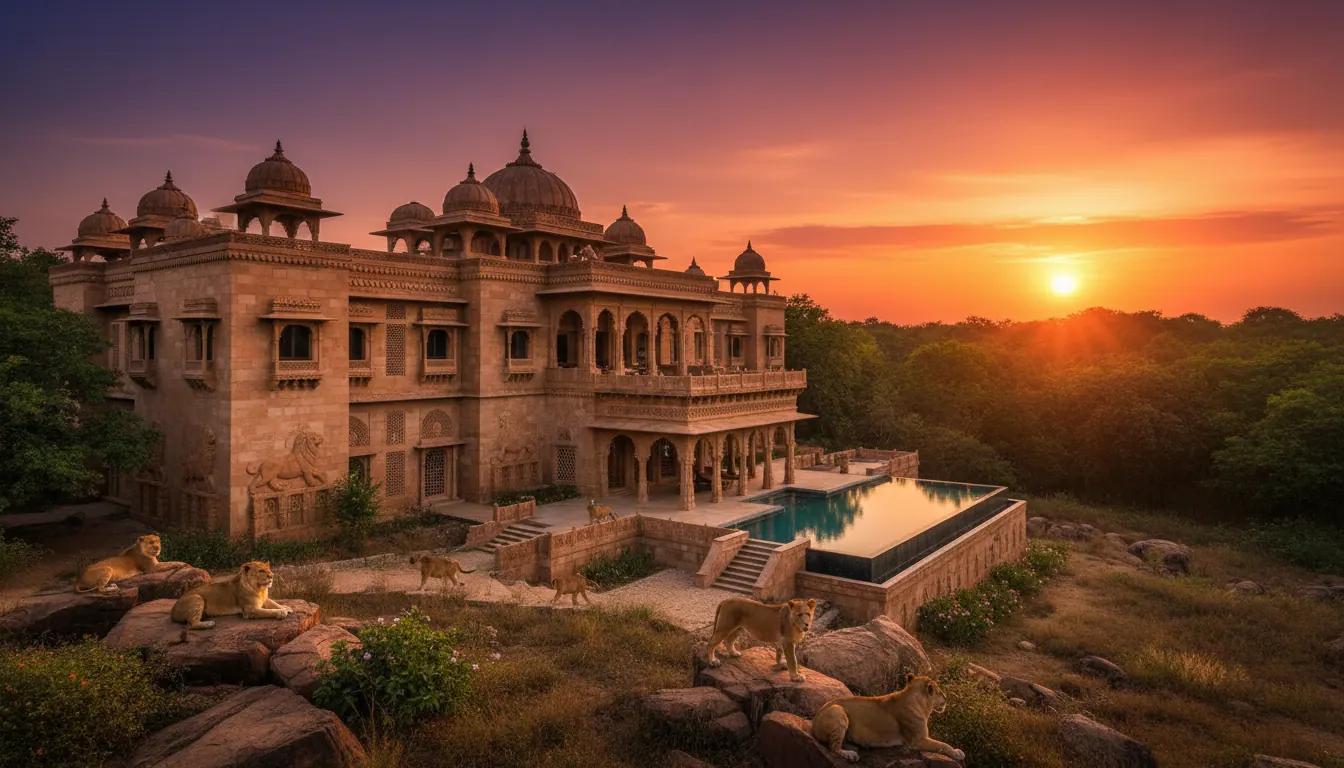
Spanning over 1,412 square kilometers, Gir National Park is the last remaining home of the Asiatic Lion. This dry deciduous forest, dominated by teak and acacia, presents a landscape that feels frozen in time. The success of Gir's conservation efforts is unparalleled—a population that had dwindled to just a handful in the early 20th century now flourishes at over 600 individuals.
But Gir is more than its lions. It is a complex ecosystem supporting leopards, sloth bears, striped hyenas, and over 300 species of birds. The rivers Hiran, Shingoda, and Machhundri flow through this wild heart, providing the lifeblood for the myriad creatures that call this forest home.
.webp)
Essential Packing Checklist
What you need for a comfortable forest experience.
The Maldhari: Guardians of the Wild
.webp)
The term 'Maldhari' literally translates to 'keeper of livestock'. These semi-nomadic herdsmen have shared the Gir forest with lions for centuries. Their unique bond with the wild is a cornerstone of Gir's ecological narrative.
Living in 'Nesses' (traditional hamlets), the Maldhari lead a simple life, guided by ancient wisdom. Visiting a Ness offers a rare glimpse into a culture that views the lion not as a threat, but as a protective deity and a brother.
Explore Culture Stays

.webp)
.webp)
.webp)


